

Why Police Reports Matter in Car Accident Cases
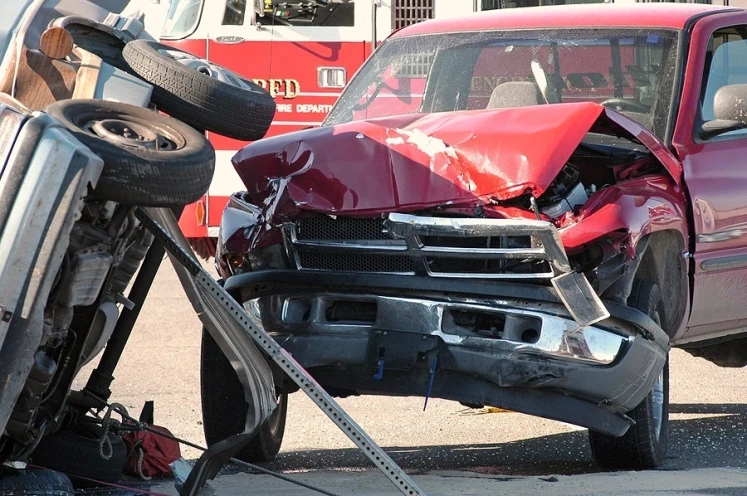
After a car crash, most people focus on the physical pain, the damage to their vehicle, and the disruption to their routine. What many accident victims do not realize is how much weight a police report carries when it comes to proving a claim. In Florida, this single document can influence how an insurance company views your injuries, how liability is argued, and how a lawsuit unfolds if negotiations break down. Police documentation is not just a formality. It is often a powerful foundation for the entire claim.
Understanding the value of this report can help you make better decisions in the early stages of your case. It can also prevent unnecessary disputes with insurance adjusters who may attempt to downplay your injuries or shift blame.
How Police Documentation Shapes the Early Stages of a Car Crash Claim
The moments after a collision are chaotic. People are shaken, unsure of what happened, and worried about injuries. A responding officer helps bring order to that confusion. They gather information, speak to witnesses, and document what they see. This record becomes one of the earliest objective accounts of what occurred.
Florida’s insurance companies rely heavily on this information when evaluating claims. Adjusters frequently look for inconsistencies between what was written in the report and what is later stated by drivers or witnesses. While the report itself is not the final word on fault, the details can strongly influence how the insurer chooses to negotiate.
For example, if the officer notes that one car rear-ended another, an insurance company may quickly accept liability. On the other hand, if the report contains conflicting statements or unclear details, the insurer may question the injured person’s version of events. Early documentation sets the tone before any formal investigation begins.
Why Police Reports Help Establish Credibility
In many car crash cases, two drivers offer two very different stories. When there is no neutral third party, credibility becomes a major factor in determining fault. Police officers serve as unbiased observers who document what they witness. Although officers do not always see the crash happen, their observations can still carry significant weight.
If the officer describes damage that supports your version of events, it strengthens your credibility. If witnesses confirm what happened and their statements appear in the report, that also helps your case. An officer’s notes about weather conditions, traffic signals, road hazards, and driver behavior all paint a larger picture of how the collision occurred.
This type of documentation can be especially useful when the other driver tries to shift blame. Without a police report, the case becomes a dispute between two people with opposing stories. Insurance companies are more likely to deny or minimize a claim when the evidence is weak.
How Florida Law Treats Police Reports in Car Crash Cases
Florida follows a no-fault system for initial medical coverage through Personal Injury Protection, also known as PIP. Even so, questions about fault matter when a crash involves significant injuries. Police reports help fill in the details that determine whether the injured person can pursue compensation beyond PIP.
Florida statutes also make certain portions of a police report inadmissible in court during the early phases of litigation. This rule prevents juries from relying too heavily on the officer’s conclusions, which may be based on statements that cannot be cross-examined. However, this limitation does not lessen the report’s importance during insurance negotiations.
Insurance companies use the report long before a case reaches a courtroom. It helps them assess risk, evaluate liability, and calculate settlement offers. A strong report can lead to faster negotiations, while a vague or incomplete one can stall the entire process.
What Officers Typically Include in a Florida Crash Report
A police report is more than a summary of what each person said. It contains a wide range of information that can help a lawyer build a strong case. Some of the most important elements include:
- The date, time, and location of the crash
- A diagram of the accident scene
- The positions of the vehicles
- Damage described by the officer
- Statements from drivers, passengers, and witnesses
- Weather and road conditions
- Preliminary observations about traffic violations
- Information about injuries or signs of impairment
- Photographs taken at the scene
These details may seem basic, but they can become critical pieces of evidence. A diagram showing skid marks or the angle of impact can help reconstruct the crash. Damage descriptions can support expert opinions. Witness statements documented at the scene are often more accurate than statements given weeks later.
Why Calling Law Enforcement Matters Even in Minor Crashes
Many people choose not to call the police when a crash appears minor. They may think the damage is too small or that they do not feel hurt. Some drivers even agree to exchange information and leave the scene without waiting for an officer. This choice can create significant problems later.
Injury symptoms sometimes appear hours or days after a collision. If a police report was never created, the other driver may claim the crash never happened or that the injuries occurred elsewhere. Without official documentation, insurance companies often argue there is no reliable proof linking the injuries to the crash.
Having law enforcement on scene also prevents disputes about coverage. Some drivers provide false insurance or contact information. Others admit fault in the moment but change their story later. Police documentation protects injured individuals from these common problems.
How Police Documentation Helps Overcome Insurance Tactics
Insurance companies use many strategies to avoid paying claims. One of the most common is questioning the severity of the accident. They may try to argue:
- The impact was too minor to cause injuries
- The insured driver was not actually at fault
- The injuries came from a different event
- The damage shown does not match the story
A detailed police report makes these arguments harder to sustain. When the officer notes visible injuries, damage patterns, or unsafe driving behaviors, the adjuster loses some of the leverage they might otherwise use to dispute your claim.
In addition, if the other driver makes a false statement later in the process, the police report can help expose the inconsistency. This strengthens your negotiating position and supports the credibility of your claim.
When Mistakes Appear in the Report and What You Can Do
Police officers do their best to document the scene, but errors sometimes happen. A driver’s statement may be recorded inaccurately. The diagram may not reflect the correct angle of impact. The officer may misunderstand what a witness said. Mistakes like these do not mean your case is lost.
In Florida, correcting a police report is possible in many situations. A lawyer can submit a request to amend factual inaccuracies. Officers cannot change opinions or official findings, but they can update objective errors. This process helps ensure that the report reflects the most accurate information available.
Even if the report cannot be changed, additional evidence can still support your claim. Photographs, medical records, dash-cam footage, and expert testimony can fill in the gaps. A police report is important, but it is not the only piece of evidence that matters.
Why Legal Support Makes a Difference When Using a Police Report
Although a police report contains valuable information, using it effectively requires strategy. A lawyer knows how to interpret details that may seem insignificant at first glance. They understand how to counter an insurance adjuster’s interpretation of the same report. They also know how to gather additional evidence when the report leaves questions unanswered.
An experienced personal injury lawyer can:
- Analyze the report for strengths and weaknesses
- Clarify inconsistencies that insurers may use against you
- Communicate with witnesses listed in the report
- Request supplemental records or body-camera footage
- Build a comprehensive narrative using multiple forms of evidence
These steps help ensure the police documentation supports, rather than complicates, your claim.
Conclusion
A police report may not seem important when you are focused on your injuries or vehicle repairs. Yet in Florida, this single document can determine how smoothly your claim moves forward. It creates a trustworthy record, strengthens your credibility, and keeps insurance companies from rewriting the story of what happened.
If you have been involved in a crash, contacting law enforcement is one of the most important steps you can take. Once the report is created, a personal injury lawyer can help you understand what it means for your case and how to use it to your advantage. With the right guidance, you can navigate the claims process with confidence and pursue the compensation you need to move forward.