

What to Do After a Car Accident in St. Petersburg, Florida: The Complete Guide
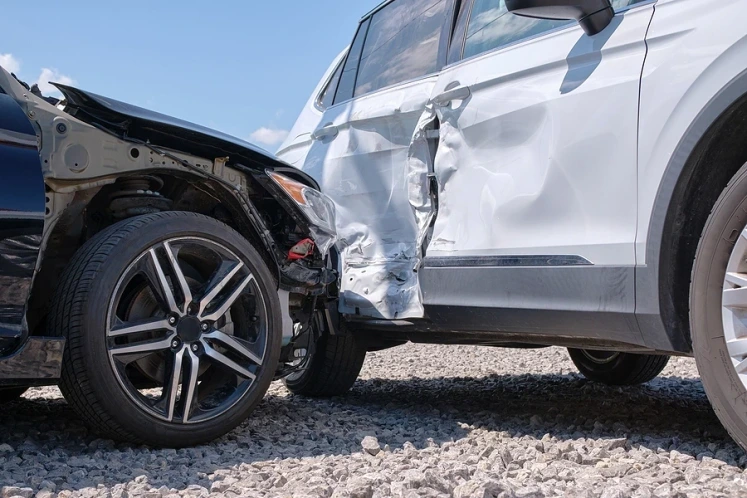
What to Do After a Car Accident in St. Petersburg, Florida: The Complete Guide
A car accident can turn an ordinary drive down 4th Street, I-275, or Central Avenue into a stressful, disorienting event. What you do in the minutes, days, and weeks afterward can affect your health, your insurance coverage, and your ability to recover compensation later. This guide walks through exactly what to do, what to avoid, and when it’s time to bring in an attorney.
Step 1: Check for Injuries and Call 911
Call 911 immediately, even if the crash seems minor — Florida law requires it in most cases, and it creates the official record your claim will depend on.
Florida law requires drivers to stay at the scene and contact law enforcement when an accident involves injury, death, a hit-and-run, a DUI, a vehicle requiring towing, a commercial vehicle, or property damage of $500 or more. In practice, that covers the vast majority of St. Petersburg collisions, whether they happen on I-275, near the Gandy Bridge, or on a quiet neighborhood street.
Move to safety and turn on your hazard lights if you’re able to. Then check yourself and any passengers for injuries. Some injuries, especially whiplash, concussions, and soft-tissue damage, don’t show symptoms for hours or days, so let paramedics evaluate everyone at the scene, even if no one feels seriously hurt.
Step 2: Stay at the Scene and Watch What You Say
Stay until law enforcement clears you to leave, and stick to the facts; never apologize or speculate about fault.
Leaving the scene of a qualifying accident is a hit-and-run under Florida law and can cost you your right to compensation. While you wait, cooperate with the responding officer, but limit what you say to what actually happened. Saying “I’m sorry” or guessing at causes can be used against you later, even if you weren’t at fault. Florida uses a modified comparative negligence system, meaning fault gets allocated by percentage — statements made in the heat of the moment can shift that percentage against you.
Step 3: Document the Scene
Photograph everything you can, including vehicle damage, injuries, license plates, road conditions, and traffic signals, before the scene changes or memories fade.
If you’re able to move around safely, take pictures and video of:
- Damage to all vehicles involved, from multiple angles
- Visible injuries
- License plates
- Skid marks, debris, and road conditions
- Traffic signals, signage, or anything relevant to how the crash happened
- The general location — nearby intersections, street names, or landmarks
This documentation matters even more in St. Petersburg’s busier corridors — Central Avenue, 4th Street, Tyrone, and the areas near the waterfront and downtown — where multiple vehicles, pedestrians, or cyclists are often involved, and details can get disputed later.
Step 4: Exchange Information and Talk to Witnesses
Collect the other driver’s contact and insurance information, and get names and numbers from any witnesses before they leave.
Get the other driver’s name, phone number, insurance company, policy number, and driver’s license number. If a driver is uncooperative, don’t push it — let the responding officer handle it. Also, approach any bystanders, passengers, or nearby drivers who saw the crash. A witness’s account can become important if the other driver later disputes what happened. Ask permission before recording their statement, and always get their contact information in case your attorney needs to follow up.
Step 5: Get a Copy of the Police Report
Your official crash report is typically available about 10 days after the accident through the Florida Crash Portal, and you’ll want a copy for your insurer and your attorney.
The responding officer will file a report that includes the citations issued, the identities of witnesses, and a description of how the crash occurred. You or your attorney can request it online through the state’s crash report portal for a small fee, or in person at the local Florida Highway Patrol station.
Step 6: Get Medical Care — Even If You Feel Fine
See a doctor within 14 days of the accident, even for minor-seeming injuries — Florida’s no-fault insurance system requires it to preserve your benefits.
Florida requires drivers to carry Personal Injury Protection (PIP) insurance, which covers 80% of qualifying medical expenses regardless of fault — but only if you get treatment within 14 days of the crash. Waiting longer can jeopardize that coverage entirely, even if your injuries are real and serious.
Beyond the insurance deadline, prompt care matters for your health and your claim. Symptoms of whiplash, concussion, and other common crash injuries often don’t appear until hours or days later. A documented medical visit creates the record connecting your injuries to the accident — without it, insurers have an easy opening to dispute your claim.
Step 7: Notify Your Insurance Company
Report the accident to your insurer as soon as possible to preserve your PIP benefits, and keep your statements factual.
Florida’s no-fault system means your own PIP coverage responds first, regardless of who caused the crash. When you speak with any insurance adjuster — yours or the other driver’s — stick to the facts of what happened. If you’re unsure how to answer a question, it’s fine to say you need to review the details before responding, or to let your attorney handle communications directly.
What NOT to Do After a Car Accident
Beyond staying at the scene, avoid admitting fault, skipping medical care, posting about the crash online, or accepting a fast settlement offer — each of these can quietly undermine your claim.
- Don’t admit fault, even informally. Determining liability is a legal process, not a roadside conversation.
- Don’t skip or delay medical treatment. Beyond the 14-day PIP deadline, gaps in treatment give insurers room to argue your injuries aren’t accident-related.
- Don’t discuss the accident on social media. Insurers routinely monitor claimants’ posts, and an innocent photo or comment can be used to argue your injuries are less severe than you claim.
- Don’t accept the first settlement offer. Early offers are often calculated before the full extent of your injuries or expenses is known, and accepting one closes the door on seeking more later.
- Don’t handle a serious claim entirely on your own. Insurance companies negotiate claims every day; most people do it once.
When Should You Hire a Car Accident Attorney?
Hire an attorney as soon as your injuries go beyond minor, or as soon as fault, insurance coverage, or a lowball offer becomes disputed — earlier is almost always better than later.
Not every fender-bender needs a lawyer. But a personal injury attorney becomes valuable quickly once any of the following apply:
- Your injuries are significant, or you’re not sure yet how they’ll affect your work or daily life
- Fault is disputed, or more than one party may share responsibility
- The insurance company is slow-walking, disputing, or lowballing your claim
- The at-fault driver was uninsured, underinsured, or a commercial or rideshare driver (these cases involve extra layers of coverage and liability)
- You’re approaching Florida’s filing deadline and haven’t resolved your claim
An attorney working on contingency costs nothing upfront — you only pay a fee if they recover money for you. In exchange, they handle evidence-gathering, expert consultations, insurer negotiations, and (if necessary) litigation, so you can focus on recovering.
Filing deadline: Under Florida Statutes §95.11, you generally have two years from the date of the accident to file a lawsuit for injuries occurring on or after March 24, 2023 (accidents before that date fall under the prior four-year deadline). Waiting too long to consult an attorney can mean losing evidence, witness memory, or the deadline itself.
Do I have to file a police report after a car accident in St. Petersburg?
Florida law requires it when the crash involves injury, death, a hit-and-run, a DUI, a vehicle requiring towing, a commercial vehicle, or at least $500 in property damage, which covers most collisions. Even when it's not strictly required, filing one creates an official record that protects your ability to file an insurance claim later.
What if the other driver doesn't have insurance?
If you carry uninsured/underinsured motorist (UM/UIM) coverage, you can typically file a claim through your own policy to recover damages the at-fault driver's insurance would otherwise have covered. Without UM/UIM coverage, recovering compensation from an uninsured driver becomes significantly more difficult, which is a case where speaking with an attorney early makes a real difference.
Who is liable if I'm hit by an Uber or Lyft driver, or I'm injured as a passenger?
Liability depends on the rideshare driver's status at the time of the crash. Uber and Lyft carry contingent liability coverage that applies when a driver is logged into the app, and different (typically higher) coverage applies once a ride is accepted or a passenger is in the car. Determining which policy applies and pursuing the right one is usually more complicated than a standard two-car accident claim.
How long do I have to file a claim after a car accident in Florida?
Generally, two years from the date of the accident for injuries occurring on or after March 24, 2023. Accidents before that date fall under the prior four-year deadline. Insurance claims often have separate, shorter deadlines set by your policy, so don't wait to report the accident to your insurer, even if you're still deciding whether to pursue a legal claim.
Will my case go to trial, or does it usually settle?
Most car accident cases settle without going to trial. That said, being prepared to litigate — and making sure the insurance company knows you're willing to — often leads to a fairer settlement offer than if you appear unwilling to push back.
What should I do if the insurance company asks for a recorded statement?
You're not obligated to give one immediately, and it's reasonable to say you need time or want to speak with an attorney first. Recorded statements can be used to lock in details that get reinterpreted against you later, especially before you know the full extent of your injuries.
Can I still recover compensation if I was partly at fault for the accident?
Yes, under Florida's modified comparative negligence rule, as long as you're not found more than 50% at fault. Your compensation is reduced by your percentage of fault, so the specifics of how fault gets allocated matter a great deal to your final recovery.
Frequently Asked Questions
Do I have to file a police report after a car accident in St. Petersburg?
Florida law requires it when the crash involves injury, death, a hit-and-run, a DUI, a vehicle requiring towing, a commercial vehicle, or at least $500 in property damage, which covers most collisions. Even when it’s not strictly required, filing one creates an official record that protects your ability to file an insurance claim later.
What if the other driver doesn’t have insurance?
If you carry uninsured/underinsured motorist (UM/UIM) coverage, you can typically file a claim through your own policy to recover damages the at-fault driver’s insurance would otherwise have covered. Without UM/UIM coverage, recovering compensation from an uninsured driver becomes significantly more difficult, which is a case where speaking with an attorney early makes a real difference.
Who is liable if I’m hit by an Uber or Lyft driver, or I’m injured as a passenger?
Liability depends on the rideshare driver’s status at the time of the crash. Uber and Lyft carry contingent liability coverage that applies when a driver is logged into the app, and different (typically higher) coverage applies once a ride is accepted or a passenger is in the car. Determining which policy applies and pursuing the right one is usually more complicated than a standard two-car accident claim.
How long do I have to file a claim after a car accident in Florida?
Generally, two years from the date of the accident for injuries occurring on or after March 24, 2023. Accidents before that date fall under the prior four-year deadline. Insurance claims often have separate, shorter deadlines set by your policy, so don’t wait to report the accident to your insurer, even if you’re still deciding whether to pursue a legal claim.
Will my case go to trial, or does it usually settle?
Most car accident cases settle without going to trial. That said, being prepared to litigate — and making sure the insurance company knows you’re willing to — often leads to a fairer settlement offer than if you appear unwilling to push back.
What should I do if the insurance company asks for a recorded statement?
You’re not obligated to give one immediately, and it’s reasonable to say you need time or want to speak with an attorney first. Recorded statements can be used to lock in details that get reinterpreted against you later, especially before you know the full extent of your injuries.
Can I still recover compensation if I was partly at fault for the accident?
Yes, under Florida’s modified comparative negligence rule, as long as you’re not found more than 50% at fault. Your compensation is reduced by your percentage of fault, so the specifics of how fault gets allocated matter a great deal to your final recovery.