

What to Do After a Boating Accident in St. Petersburg
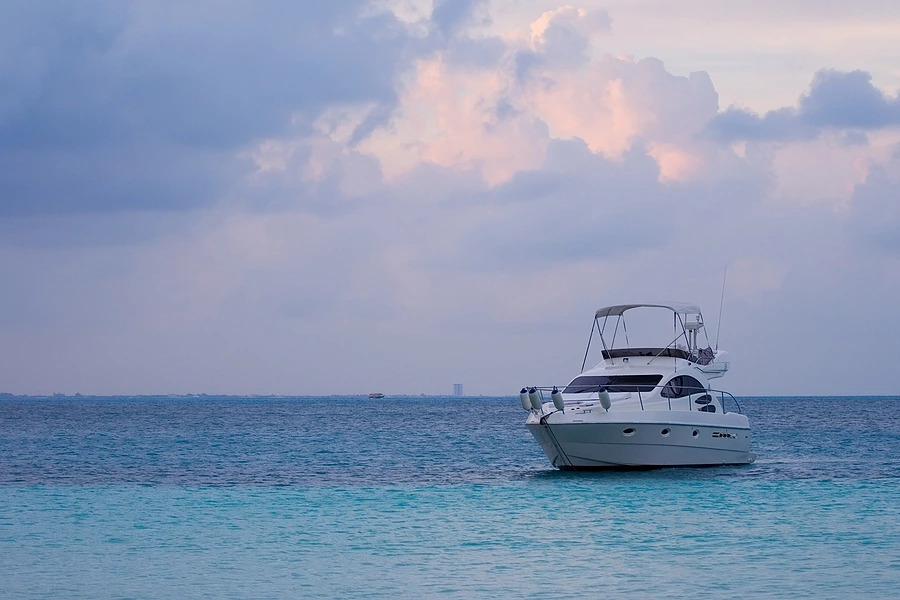
Boating is part of everyday life in St Petersburg. The warm weather, open waterways, and access to the Gulf make boating a common activity for residents and visitors. But the same conditions that make the area enjoyable can also increase the risk of accidents. When a collision, capsizing, or other incident occurs, the steps you take immediately afterward can impact your safety, recovery, and legal rights.
Many people panic after a boating accident because the situation feels chaotic. Water is unpredictable, and the scene can be very different from a typical roadway crash. Knowing what to do beforehand can make a critical difference.
Make Safety Your First Priority
The first priority after any boating accident is ensuring everyone is safe. Immediately check yourself and then others for injuries.
- Offer flotation devices to anyone in the water. Even strong swimmers can struggle, especially if injured.
- Ensure everyone is wearing a life jacket or has access to something that floats.
- Assess whether the vessel is operable and move it to calmer water if possible.
Preventing further injuries or drowning is the most important step in the immediate aftermath.
Call Emergency Responders
After safety is secured, contact emergency services. Dial 911 or reach the United States Coast Guard via marine radio.
Even if injuries appear minor, having first responders on the scene is essential. Some injuries develop later, and medical documentation can be important for legal purposes.
Florida law requires boat operators to report accidents in certain cases, such as injury, disappearance, or significant property damage. Reporting promptly ensures compliance with the law.
Exchange Information Carefully
Once safety and emergency contact are addressed, exchange information with other vessel operators:
- Names, addresses, and contact information
- Vessel registration or identification numbers
- Names of passengers
Remain calm and professional. Avoid arguing or apologizing, as statements could be interpreted as admitting fault. Focus on gathering accurate information while waiting for authorities.
Document the Accident Scene
Boating accident scenes change quickly. Currents can move debris, waves can wash away evidence, and weather can shift. Documentation is critical:
- Take photos and videos of vessels, water conditions, injuries, and damage
- Capture multiple angles of the scene
- Preserve GPS or navigation data if available
Also, collect contact information from witnesses who saw the incident. Their statements can be valuable later.
Seek Medical Attention Even If You Feel Fine
Not all injuries are immediately visible. Whiplash, concussions, internal injuries, and soft-tissue damage may appear hours or days later.
- Accept medical evaluation from on-scene paramedics
- Follow up with a doctor promptly
- Keep medical records to strengthen any potential injury claim
Delaying treatment can complicate claims and may be used by insurance companies to question the origin of your injuries.
Notify Your Insurance Company
After addressing safety and medical needs, inform your insurance provider. Provide basic facts about the accident without speculating about fault or injuries.
Insurance companies may try to minimize payouts. Avoid giving recorded statements before consulting a lawyer. Stick to the facts when reporting the accident.
Understand Common Causes of Boating Accidents
Knowing what typically causes boating accidents can help you understand liability:
- Operator error such as distraction or inexperience
- Alcohol use, which is both dangerous and illegal while operating a vessel
- Equipment failure or lack of maintenance
- Weather, strong tides, or crowded waterways
Identifying the cause is crucial for determining who may be responsible.
Protect Your Rights With Legal Guidance
Medical bills, lost income, property damage, and pain can quickly mount. Protecting your rights requires understanding your legal options.
A personal injury lawyer experienced in boating accidents can:
- Investigate the accident
- Gather evidence and interview witnesses
- Work with experts to determine what happened
- Negotiate with insurance companies
- Prepare for litigation if necessary
Having an attorney ensures you do not navigate the aftermath alone.
Florida Laws That Affect Boating Accident Claims
Florida’s comparative negligence system means your compensation may be reduced if you are partially responsible for the accident. If your share of fault is too high, you may be barred from recovery.
- Evidence is critical to establish what really happened
- Deadlines for filing injury claims are strict
- A lawyer can help meet legal requirements and protect your claim
Conclusion
Boating accidents are overwhelming. They happen quickly and leave many unsure of the next steps. By taking the right actions—ensuring safety, reporting the accident, documenting the scene, and seeking medical care—you protect both your health and legal options.
A St Petersburg personal injury lawyer can guide you from initial investigation to settlement negotiations or litigation. With the right support, you can focus on healing while your attorney manages the legal process.