

What Florida Passengers Should Know About Their Rights After a Car Accident
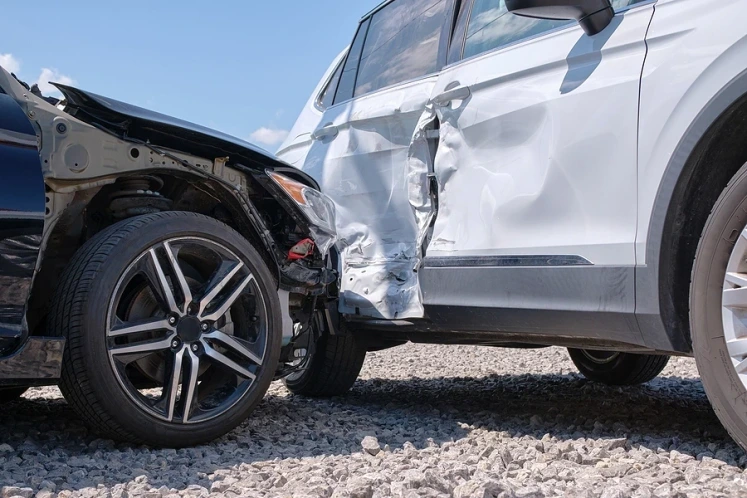
Car accidents are stressful for everyone involved, but passengers often face unique challenges when it comes to understanding their rights. In Florida, passengers have specific protections under the law, but these protections can be complicated and easy to overlook. Knowing your options after an accident can help you secure proper medical care and pursue compensation if someone else’s negligence caused your injuries.
Passengers Are Protected by Florida’s Personal Injury Laws
Many people assume that only drivers can file claims after a car accident. This is not true. Passengers in Florida have the legal right to pursue compensation if they are injured due to someone else’s negligence. This means that if the driver of the vehicle you were in or another motorist caused the accident, you may be entitled to damages.
Florida follows a no-fault insurance system, which affects how injury claims are handled. Under this system, drivers are required to carry Personal Injury Protection (PIP) coverage. PIP covers medical expenses and certain lost wages regardless of who caused the accident. However, PIP has limits. For example, it may not cover all your medical costs, and it generally does not include pain and suffering unless your injuries meet the threshold for a serious injury.
Understanding the No-Fault Insurance System
No-fault insurance is designed to streamline the claims process, but it can be confusing. As a passenger, your claim usually falls under the insurance policy of the driver of the vehicle you were riding in. This means you can file a claim against the driver’s PIP coverage. If the other driver was at fault, you may also have the right to pursue a liability claim against them for damages that exceed your PIP coverage.
It’s important to note that PIP benefits have specific rules in Florida. You generally need to seek medical treatment within 14 days of the accident to ensure your claim is valid. Failing to do so can reduce or even eliminate your ability to recover benefits. Additionally, PIP covers only up to $10,000 for medical expenses and lost wages, so serious injuries may require pursuing a liability claim.
When Passengers Can Pursue Additional Compensation
PIP insurance only covers part of the recovery for passengers. If your injuries are serious, you may be eligible for additional compensation through a liability claim. Liability claims are filed against the at-fault driver or their insurance company. These claims can cover:
- Medical bills beyond PIP limits
- Pain and suffering
- Permanent disability or disfigurement
- Lost earning capacity
- Emotional distress caused by the accident
Florida law defines a serious injury as death, permanent or significant disfigurement, permanent loss of bodily function, or significant medical expenses. If your injuries meet this threshold, you may have the right to pursue compensation beyond your PIP benefits.
Passengers May Have Multiple Sources of Compensation
Passengers may have access to several sources of compensation depending on the circumstances of the accident. These include:
- Driver’s PIP Coverage: Covers medical expenses and lost wages for you as a passenger, up to its limit.
- At-Fault Driver’s Liability Coverage: If another driver caused the crash, you can file a liability claim to recover damages not covered by PIP.
- Uninsured or Underinsured Motorist Coverage: If the at-fault driver does not have enough insurance, your own policy may provide coverage under underinsured motorist protection.
- Third-Party Claims: If a defective car part, dangerous road condition, or another factor contributed to the accident, there may be additional parties responsible for your injuries.
A skilled personal injury attorney can help identify all possible avenues for recovery and ensure you pursue them effectively.
Steps Passengers Should Take After an Accident
Taking the right steps immediately after a car accident can protect your rights and improve your chances of recovering fair compensation. Here’s what passengers should do:
- Seek Medical Attention Immediately
Even if your injuries seem minor, a medical evaluation is essential. Some injuries, like whiplash or internal trauma, may not be immediately obvious. - Document the Accident
Take photos of the scene, your injuries, and the vehicles involved. Collect contact information for the driver, other passengers, and any witnesses. - Report the Accident
File a police report if required. A police report provides an official record that supports your claim. - Notify Insurance Companies Promptly
Inform the driver’s insurance company of your injuries. Be careful not to provide statements or accept settlements without consulting an attorney. - Keep Records
Maintain detailed records of medical treatment, bills, lost wages, and communications with insurance companies. - Consult a Personal Injury Attorney
A lawyer can guide you through the claims process, help negotiate with insurers, and ensure your legal rights are fully protected.
Time Limits for Filing Claims in Florida
Passengers must be aware of the legal deadlines for filing claims. In Florida, the statute of limitations for personal injury claims is generally four years from the date of the accident. Waiting too long can prevent you from pursuing compensation. For PIP claims, you must act quickly to meet policy deadlines. Consulting a lawyer promptly ensures you do not miss critical timeframes.
Working With a Personal Injury Attorney
A personal injury lawyer who understands Florida’s laws can be invaluable for passengers injured in car accidents. Attorneys help you:
- Evaluate your claim and determine potential damages
- Gather medical records, accident reports, and witness statements
- Communicate with insurance companies on your behalf
- Negotiate settlements or represent you in court if necessary
Working with an attorney ensures that your case is handled efficiently and that your rights are protected throughout the process.
Understanding Comparative Fault
Florida follows a comparative fault system, which can affect how much compensation you receive. If a passenger is partially responsible for the accident, their damages may be reduced proportionally. For example, if you are found to be 10% at fault for an accident, your total compensation would be reduced by 10%. Even minor fault does not prevent you from filing a claim, but it can influence the outcome.
Conclusion
Passengers in Florida have rights and legal protections that are often overlooked. Understanding these rights, seeking prompt medical care, and consulting an experienced personal injury attorney can make a significant difference in your recovery. Car accidents can be overwhelming, but knowing your options empowers you to take control of the situation and pursue the compensation you deserve.