

What Florida Drivers Should Know About Road Rage and Liability After a Crash
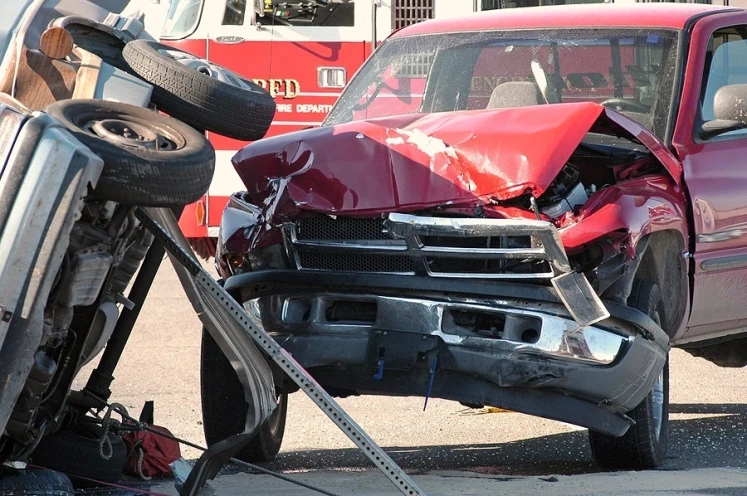
Drivers face heavy traffic, long commutes, and stressful conditions that can quickly escalate into dangerous behavior. When anger turns into aggressive driving, the risk of a serious crash rises. After an accident caused by road rage, injured drivers often feel confused about who is responsible and how liability is determined. Florida law offers guidance, but the circumstances surrounding these incidents can be more complicated than a typical collision.
How Road Rage Differs From Ordinary Negligence
Most car accidents happen because someone makes a mistake, such as failing to yield or following too closely. Road rage, however, involves intentional or reckless behavior. A driver may tailgate, speed aggressively, weave through traffic, or even attempt to intimidate another driver. These actions go beyond simple carelessness. They show a disregard for the safety of everyone on the road. Because of this, road rage incidents tend to create more serious legal consequences and stronger grounds for holding the aggressive driver accountable.
Signs of Aggressive Driving That May Lead to Liability
Florida law recognizes aggressive driving as a serious problem. Certain behaviors, when combined, are classified as aggressive driving and may be considered in determining fault. These behaviors can include speeding, improper passing, sudden lane changes, or refusing to let another vehicle merge. In extreme road rage incidents, some drivers may brake-check or chase another vehicle. When these actions contribute to a crash, liability often becomes clearer. Evidence of aggressive driving can support an injury claim and show that the other driver acted unreasonably.
Why Evidence Matters in Road Rage Accident Claims
Proving liability in a road rage crash relies heavily on documentation. It is not enough to state that the other driver acted aggressively. There must be evidence that supports the claim. Witness statements can be valuable, especially from people who saw the behavior leading up to the collision. Dash-cam footage is becoming more common and can capture dangerous driving in real time. Photos, police reports, and any available video recordings also help build a strong case. The more evidence available, the easier it becomes to show exactly what happened.
The Role of Police in Road Rage Crashes
Law enforcement plays an important role after a road rage crash. Officers often respond quickly, especially when the situation involves hostile behavior or potential criminal activity. Police reports can include key details about the incident, such as observations from the scene, statements from both drivers, and notes about dangerous conduct. In some cases, the aggressive driver may face criminal charges. While criminal penalties do not replace compensation for the injured person, they can support a civil injury claim by confirming that the other driver acted recklessly.
How Florida’s No Fault System Affects These Claims
Florida uses a no fault insurance system. This means that after most accidents, injured drivers first turn to their own insurance for medical coverage through personal injury protection. However, road rage incidents often involve more serious injuries. When injuries meet the threshold required under Florida law, the injured person may step outside the no fault system and file a claim against the aggressive driver. This makes understanding liability essential, as the behavior leading to the crash can significantly influence the outcome of the claim.
When Road Rage Leads to Intentional Acts
Sometimes road rage goes beyond aggressive driving and enters the realm of intentional harm. Examples include using a vehicle to block another driver, ramming a car, or attempting to run someone off the road. These actions are treated differently under the law. Insurance companies may refuse to cover intentional acts, which can complicate recovery. Still, victims may pursue compensation through a personal injury lawsuit. The behavior itself demonstrates extreme disregard for safety, which can strengthen the case. Additional damages may also be available, depending on the circumstances.
How Insurance Companies Respond to Aggressive Driving Claims
Insurance companies often investigate road rage accidents thoroughly. Adjusters may look for evidence of reckless actions or attempt to downplay the aggressive driver’s behavior. They may also try to shift part of the blame onto the injured person. This is one reason why documentation is essential. Without strong evidence, an insurance company may argue that the crash was just a typical accident. With clear proof of road rage, the injured person has a stronger position. Understanding how insurers approach these claims helps accident victims prepare for the process.
Comparative Fault and Its Impact on Compensation
Florida applies a modified comparative fault system. This means an injured person’s compensation can be reduced if they are found partly responsible for the crash. In a road rage scenario, the aggressive driver is usually at fault. However, if the other driver also acted carelessly, liability may be shared. For example, responding to road rage with more aggressive behavior can affect the claim. Staying calm and avoiding escalation not only improves safety but also helps protect the injured person’s legal rights.
Preventing Road Rage Situations on the Road
Although drivers cannot control the behavior of others, they can take steps to reduce the likelihood of an incident. Allowing extra space, avoiding confrontations, and not responding to aggressive behavior are important habits. If another driver acts threateningly, it is safer to slow down, change lanes, or pull over in a public area. Not engaging is often the best way to prevent a minor situation from becoming dangerous. These precautions can help reduce stress and avoid unnecessary risks.
What to Do After a Crash Caused by Road Rage
After a road rage accident, safety should come first. Call 911, report the incident, and wait for law enforcement. If possible, gather evidence while at the scene. Photos of the vehicles, skid marks, and surroundings can be useful. Gather contact information from witnesses and note any aggressive behavior observed before the crash. Seek medical attention promptly, even if injuries appear minor. Documentation of injuries supports the claim and ensures proper treatment. Once immediate concerns are addressed, speaking with a personal injury lawyer can help you understand the next steps.
Conclusion
Road rage accidents bring unique challenges when determining liability. The aggressive behavior that causes these crashes often leads to severe injuries and strong legal consequences for the at fault driver. With clear evidence, a thorough understanding of Florida law, and proper legal guidance, injured drivers can pursue the compensation they need to recover. Road rage is unpredictable, but knowing how liability works helps victims protect their rights and move forward after a stressful and dangerous event.