

Understanding Florida’s Auto Accident Laws and Your Rights
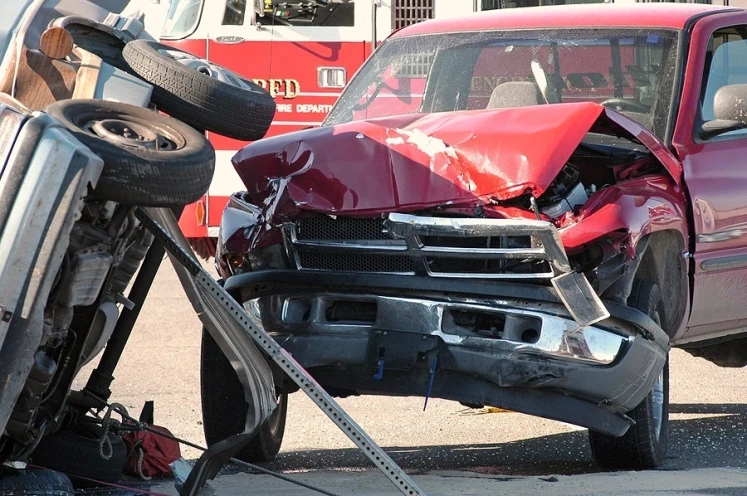
Florida’s roads see thousands of traffic collisions every year. Some involve distracted drivers. Others stem from speeding, unsafe turns, or simple carelessness. No matter the cause, a crash can disrupt your life in ways you never expected. Medical bills arrive quickly. Missed work creates financial strain. Pain and stress make daily routines harder. When you understand how Florida’s auto accident laws work, you gain the ability to protect yourself and avoid mistakes that could harm your claim.
Why Florida Uses a No Fault Insurance System
Florida is one of a handful of states that relies on a no-fault system for car insurance. This structure requires injured drivers to turn to their own insurance first, even if another driver caused the crash. It may seem counterintuitive, but the system is designed to ensure quick access to medical care.
The key part of this system is Personal Injury Protection, often called PIP. Every vehicle owner must carry at least $10,000 in PIP coverage. If you are injured in a crash, your PIP benefits help pay medical bills, partial lost wages, and certain out-of-pocket expenses. These benefits apply regardless of fault.
However, PIP has limits. It rarely covers all losses. It also does not compensate for pain and suffering. That means many people eventually need to look beyond their PIP policy to recover additional compensation.
When You Can Step Outside the No Fault System
Although Florida’s no-fault rules apply to many accidents, the law allows injured people to pursue claims against the at-fault driver in specific situations. These exceptions matter because they open the door to recovering damages that PIP does not cover.
You may pursue a claim against the other driver if your injuries meet Florida’s legal definition of a serious injury. This definition includes permanent injuries, significant and permanent scarring, the loss of a bodily function, or death. Many crash injuries fall within these categories, even if they are not obvious right away. Back injuries, herniated discs, nerve damage, and traumatic brain injuries often worsen with time.
Once your injury qualifies, you can seek compensation for losses such as full lost income, future medical care, and non-economic damages like pain, suffering, and reduced quality of life. These categories often make up the largest part of a claim, which is why understanding the threshold is so important.
How Comparative Fault Influences Your Compensation
Florida follows a modified comparative fault rule. This means your compensation may be reduced if you are partly responsible for the crash. If you are found to be more than 50 percent at fault, you may not recover damages at all.
Many people misunderstand how comparative fault works. It does not require perfect behavior. It simply assigns responsibility based on the facts. For example, you may have been driving slightly over the speed limit when another driver made an unsafe left turn. Even if you share some responsibility, you can still pursue compensation as long as your share of the blame stays below the legal cutoff.
Insurance companies often try to use comparative fault to reduce payouts. They may exaggerate your role or downplay the conduct of their insured. This is one reason legal representation can be critical. A lawyer can challenge unfair fault assessments and work to protect the value of your claim.
Why Evidence Can Make or Break Your Claim
A crash may only last a few seconds, but the details matter. Evidence helps establish fault, document the seriousness of your injuries, and show how the incident changed your life.
Several types of evidence are commonly used in Florida auto accident cases:
- Police reports provide official documentation of the crash.
- Photos and videos show vehicle damage, skid marks, and road conditions.
- Medical records help connect your injuries to the collision.
- Witness statements support your version of events.
- Medical bills and wage records document financial losses.
Gathering evidence quickly strengthens any claim. Memories fade. Physical conditions change. Video footage may be erased. Early action can make all the difference in proving what happened.
The Role of Medical Treatment in a Successful Case
Your health should always be the first priority. Florida’s PIP laws require anyone seeking benefits to receive medical treatment within 14 days of a crash. Missing this window can jeopardize access to PIP coverage and reduce your ability to strengthen your injury claim.
Prompt medical care also ensures your injuries are properly documented. Some injuries develop slowly, including concussion symptoms, soft tissue damage, and internal injuries. A medical professional can identify problems early and create records that support your claim.
Follow-up care matters as well. If you delay treatment or miss appointments, insurance companies may argue that you were not seriously injured. Staying consistent with your treatment plan shows clear evidence of your efforts to recover.
What You Can Expect When Filing a Claim
The claims process often feels confusing, especially if you have never been in a car accident before. Understanding what typically happens can help reduce stress.
The first step usually involves notifying your insurance company. You will provide basic information about the crash and your injuries. Your insurer will then investigate your PIP claim.
If you meet the serious injury threshold or need to file a claim against the at-fault driver, the process becomes more complex. The other driver’s insurance company will also investigate. Adjusters may ask for statements, medical records, or additional documentation.
Many injury claims are resolved through settlement negotiations. If a fair settlement is not possible, a lawsuit may be necessary. Florida law contains deadlines known as statutes of limitations. Missing these deadlines can prevent you from pursuing compensation entirely, so taking timely action is crucial.
Why Speaking With a Lawyer Can Protect Your Rights
Auto accident cases involve detailed laws, procedural requirements, and insurance company tactics. Many people feel overwhelmed when trying to handle a claim on their own. A lawyer can step in and handle the legal burdens while you focus on recovering.
Some of the benefits of working with a personal injury lawyer include:
- Identifying all available insurance coverage
- Evaluating whether your injuries meet the serious injury threshold
- Gathering and preserving evidence
- Communicating with insurance companies
- Challenging unfair fault assessments
- Negotiating for a fair settlement
- Preparing your case for trial if needed
Most personal injury lawyers in Florida work on a contingency fee basis, meaning you pay nothing upfront. Their fee is collected only if they secure compensation for you.
Understanding the Rights You Have After a Crash
Even with Florida’s no-fault rules, injured drivers still have important legal rights. You have the right to seek medical care, the right to file a claim with your insurer, and the right to pursue a claim against the responsible driver if your injuries qualify. You also have the right to challenge unfair decisions made by insurance companies.
These rights ensure that injured people are not left to manage the financial and emotional fallout of a crash on their own. Exercising these rights requires awareness, documentation, and sometimes legal guidance.
Conclusion
A traffic collision can leave you dealing with pain, confusion, and significant financial concerns. Florida’s auto accident laws may seem complicated, but understanding the basic structure can help you make informed decisions from the beginning.
Know how PIP works. Understand when a claim can be brought against the other driver. Learn how comparative fault may influence your case. Most importantly, seek help when you need it. When you have support and legal guidance, you can move forward with greater confidence and peace of mind.
If you were injured in a crash in St. Petersburg or the surrounding areas, learning your options is the first step to protecting your future.