

Multi-Vehicle Pile-Up Accidents in Florida: How Fault Is Determined When Multiple Drivers Are Involved
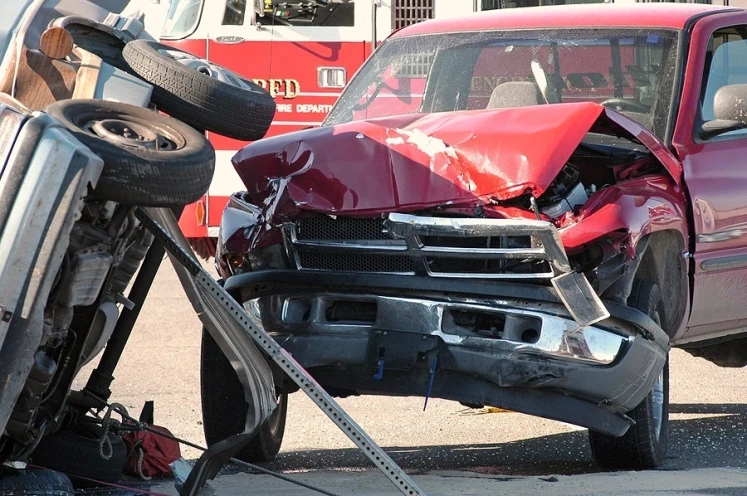
Multi-vehicle pile-up accidents are among the most complex and legally challenging types of crashes that occur on Florida’s roads. When three or more vehicles are involved in a single collision, determining who is legally responsible can involve multiple parties, several insurance companies, and often very different accounts of how the event unfolded. For anyone injured in this kind of accident in St. Petersburg, understanding how fault is established may play a significant role in the outcome of a compensation claim. Florida’s laws governing liability in multi-vehicle accidents differ from the rules that apply in simpler two-car collisions, and the process can be difficult to navigate without informed support. If you have been hurt in a pile-up, speaking with a qualified St. Petersburg car accident lawyer is an important step toward understanding your options.
Why Multi-Vehicle Accidents Present Unique Fault Challenges
The Chain-Reaction Nature of Pile-Ups
In a straightforward two-car accident, identifying who caused the collision is often a relatively contained exercise. In a pile-up, the situation is fundamentally different because multiple collisions typically occur within seconds of each other in a chain-reaction sequence. One driver may rear-end a vehicle ahead, forcing that vehicle into the car in front of it, and the pattern continues from there. This sequence makes it genuinely difficult to pinpoint a single cause, since each impact may have been influenced by the speed, braking decisions, and positioning of several different drivers.
Competing Accounts and Multiple Insurers
When many vehicles are involved in a crash, multiple insurance companies enter the picture simultaneously. Each insurer represents a different driver and has its own financial interest in assigning fault to parties other than its own policyholder. This dynamic often leads to conflicting liability assessments and prolonged disputes between insurers. For an injured person trying to recover compensation, navigating a situation where multiple companies are each pointing fingers in different directions can be an overwhelming and time-consuming process.
How Florida Law Addresses Fault in Multi-Vehicle Collisions
Modified Comparative Fault in Florida
Florida uses a modified comparative fault system to allocate responsibility when more than one party has contributed to causing an accident. Under this approach, fault is assigned as a percentage to each party involved, and compensation is reduced in proportion to the injured person’s share of fault. An injured person may still recover damages if their percentage of fault is no greater than 50 percent. This framework means that a careful and accurate determination of each driver’s role in the crash carries significant weight in shaping the final outcome of a claim.
Personal Injury Protection and Its Limits
Florida requires all drivers to carry personal injury protection coverage, which is designed to pay a portion of medical expenses and lost wages after an accident regardless of who was at fault. In a multi-vehicle pile-up, injured parties will generally access their own PIP coverage first. However, serious accidents frequently produce injuries and associated costs that exceed what PIP coverage can address. When injuries meet a certain threshold of severity under Florida law, an injured person may step outside the no-fault system and pursue a direct claim against one or more at-fault drivers for additional compensation.
Investigating and Establishing Fault After a Pile-Up
The Role of Physical Evidence and Expert Analysis
Building a clear account of how a multi-vehicle accident unfolded requires a thorough and methodical investigation. Law enforcement reports prepared at the scene serve as an initial source of information, but they do not always capture the full sequence of events. Attorneys and accident reconstruction specialists may examine physical evidence from the roadway, damage patterns across each vehicle involved, photographs taken at the scene, and any available footage from surveillance cameras or dashcams. Each piece of evidence contributes to a more complete picture of how and why the crash occurred.
Witness Statements and Driver Behavior
Witness accounts from people who observed the crash from outside the vehicles can provide a valuable independent perspective on the sequence of events. Their observations may help confirm or contradict the accounts given by drivers involved in the collision. Driver behavior is also closely examined during an investigation, including factors such as following distance, speed, distraction, and reaction time. In some pile-up cases, a single driver’s actions may have set the chain reaction in motion, while in others, several drivers may share responsibility for different portions of the crash. The outcome of any investigation will depend on the specific evidence that comes to light.
Practical Steps to Take After a Multi-Vehicle Accident in St. Petersburg
Prioritize Safety and Seek Medical Attention Promptly
Immediately after a pile-up, reaching safety and obtaining medical care should be the primary focus. Some injuries, including concussions and soft tissue damage, may not produce obvious symptoms in the immediate aftermath of a crash. Seeking prompt medical evaluation establishes a documented record of any injuries connected to the accident, which can be important when a claim is later pursued. Waiting too long to see a doctor may make it more difficult to demonstrate that injuries were caused by the collision rather than some other factor.
Gathering Information and Protecting Your Claim
Taking practical steps at the scene can help protect a future legal claim. Where it is safe to do so, photographing vehicle positions, road conditions, and visible damage is valuable. Exchanging contact and insurance information with other drivers and recording the names of any witnesses present can also prove useful later. It is generally advisable to be factual and measured when speaking with other parties at the scene, and to avoid speculating about the cause of the crash or making statements that could later be interpreted as admissions of partial responsibility.
Taking the Next Step After a Florida Pile-Up
Multi-vehicle pile-up accidents present legal and procedural challenges that go well beyond those of a typical two-car collision. Determining who bears responsibility, managing communications with multiple insurers, and applying Florida’s comparative fault rules to a complex set of facts are all tasks that benefit greatly from professional guidance. The compensation available to an injured person will depend significantly on the quality and completeness of the evidence gathered and how effectively it is presented.