

Key Actions to Take After a Slip and Fall Injury in St Petersburg
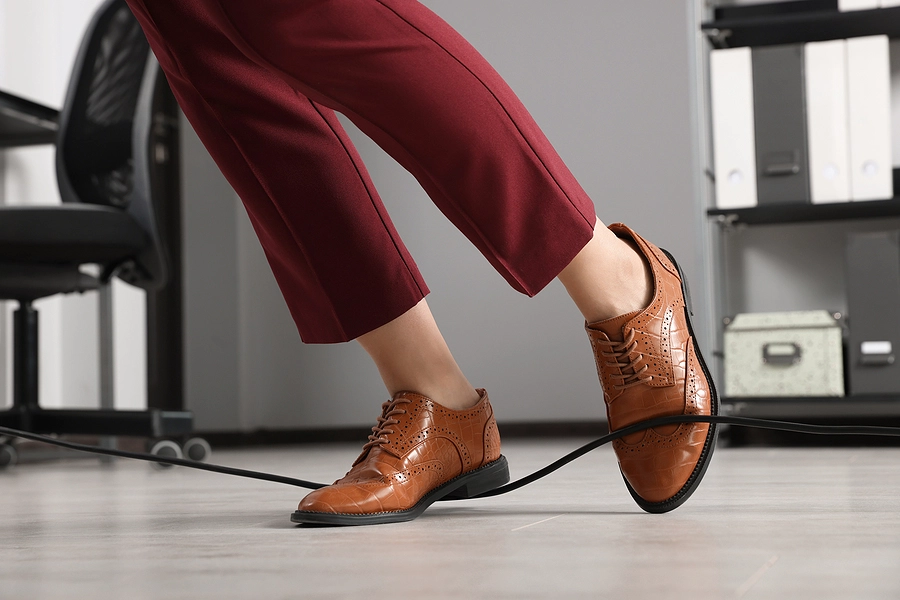
Slip and fall accidents happen suddenly, and many people do not know how to respond in the moments that follow. You may be dealing with pain, confusion, or embarrassment. Yet the decisions you make after the fall can play a major role in your ability to recover compensation. St. Petersburg has busy stores, restaurants, apartment complexes, public parks, and waterfront walkways. Any of these locations can expose visitors to hazards when property owners fail to fix dangerous conditions. Understanding the actions that matter most after a slip and fall helps you safeguard your health and strengthen your legal position.
Check for Injuries and Get Medical Care
Your safety comes before anything else. After a fall, pause and evaluate your physical condition. Sharp pain, dizziness, numbness, or difficulty standing can all indicate serious injuries. Many people feel tempted to get up quickly because they do not want attention. Doing so can make injuries worse.
If you suspect a head injury, broken bone, or severe sprain, stay still and ask someone nearby to call for help. Emergency medical care may be necessary. Even if your pain seems minor, schedule a medical evaluation as soon as possible. Some injuries take hours or days to show symptoms. Soft tissue injuries, concussions, and back injuries are often overlooked in the early stages.
Medical records created shortly after the incident form an important link between your injuries and the fall. Delays in treatment can give insurance companies an opportunity to argue that your injuries came from another cause.
Report the Incident to the Property Owner
Once you have handled immediate medical concerns, report the fall to the property owner, store manager, landlord, or person in charge. This step creates a written record of what happened. Many businesses have formal incident report processes. Provide the basic facts without offering opinions about fault.
If the accident happened on private residential property, notify the homeowner or landlord as soon as possible. For incidents occurring on public property, contact the appropriate city or county department. Prompt notice helps ensure that the hazard can be investigated before it is repaired or altered.
Request a copy of the incident report for your records. If the property owner refuses to provide one, make note of that behavior. Keep track of the date and time of your report, as well as the name of the person you spoke with.
Gather Evidence at the Scene
If you are physically able, gather evidence before leaving the location. Over time, conditions change. A spill may be cleaned, lighting issues could be fixed, or broken pavement may be repaired. Photos taken immediately after the fall give a clearer picture of what caused the accident.
Take several pictures from different angles. Include close-up shots of the hazardous condition and wider shots of the surrounding area. Capture anything that shows poor lighting, missing warning signs, or lack of safety mats. If you slipped on a substance, try to identify what it is.
Witnesses can also provide valuable support. Politely ask anyone who saw the incident for their contact information. People often move on quickly, and without their details, their testimony may be lost. A simple name and phone number is enough at this stage.
Keep the clothing and shoes you were wearing during the fall. Store them in a safe place without washing them. They may become relevant if questions arise about traction, debris, or the presence of any substance on the fabric.
Avoid Discussions About Fault
After the fall, you may feel embarrassed or apologetic. Many individuals instinctively say things like “I wasn’t paying attention” or “It was probably my fault.” Avoid making these statements. They can be used against you later, even when the property owner’s negligence clearly caused the hazard.
Limit your conversations with the property owner or employees. Provide factual information but avoid sharing opinions or accepting blame. Insurance companies may contact you soon after the incident. Politely decline to give a recorded statement until you have spoken with a lawyer.
Keep Detailed Notes About Your Recovery
As you begin treatment, keep clear and organized notes. Document your symptoms, medical appointments, and any difficulties performing daily tasks. Even minor limitations can reflect the true impact of your injuries. Over time, these details can become difficult to remember.
Save all receipts related to medical care, medications, transportation to appointments, and assistive devices. If you miss work, track the dates and hours. Economic losses form a major part of many slip and fall claims. Thorough records make it easier to calculate those losses later.
Some injuries may require ongoing care such as physical therapy or specialist appointments. Continue updating your notes as your treatment progresses. Consistent recordkeeping helps strengthen the connection between the fall and the harm you are experiencing.
Understand How Liability Works in St. Petersburg
Slip and fall cases in Florida fall under premises liability law. Property owners must maintain their property in a reasonably safe condition. When they fail to do so and someone gets hurt, they may be responsible for the resulting damages.
Florida law also requires proof that the property owner knew, or should have known, about the dangerous condition. This is where documentation becomes essential. For example, a grocery store that fails to clean up a spill for an extended period may be held responsible because employees should have noticed the hazard.
Cities like St. Petersburg also have unique environmental factors to consider. Humidity, sudden rain showers, and coastal weather can increase the likelihood of wet surfaces. Property owners must take these conditions into account and use mats, warning signs, or other safeguards when appropriate.
Comparative negligence also applies in Florida. If you are found partially responsible for your own injuries, your compensation may be reduced. This makes careful documentation and early legal guidance even more important.
Seek Legal Guidance Early
Slip and fall cases can become complicated quickly. Many property owners carry insurance policies with teams of adjusters and attorneys working to limit payouts. Having legal support helps you navigate the process and avoid common mistakes.
A personal injury lawyer can review the evidence you have gathered, identify additional information that may support your case, and communicate with the insurance company on your behalf. Lawyers also understand how to calculate damages and can assess the full picture, including future medical needs and lost income.
If your case requires litigation, having legal representation becomes even more important. Court procedures are complex, and missing deadlines can jeopardize your case. A lawyer familiar with St. Petersburg’s courts and legal requirements can guide the process from start to finish.
Stay Consistent in Your Recovery
Your actions after the fall directly affect your claim. Attending all medical appointments, following treatment plans, and reporting any new symptoms to your provider show that you are committed to your recovery. Insurance companies often argue that gaps in treatment indicate that injuries are less serious than reported. Consistency helps protect you from those claims.
If your condition worsens or your doctor recommends additional testing, follow through with their recommendations. Keep copies of referrals, treatment summaries, and imaging results. These documents support the medical side of your case and help demonstrate your ongoing needs.
Conclusion
A slip and fall accident in St. Petersburg can disrupt your life in many ways. You may face pain, unexpected medical bills, and time away from work. The steps you take after the incident influence your physical recovery and your legal options.
Protect your health first. Then document the incident carefully. Be cautious with your words, track your progress, and seek legal support when needed. These actions help ensure that your rights remain protected and that you are in the best position to pursue financial recovery.
If you have questions about your situation, a personal injury lawyer can offer guidance tailored to your circumstances. You do not have to navigate this process alone.