

How Poor Property Maintenance Can Lead to Liability in Florida
Property owners in Florida have a duty to keep their premises reasonably safe for visitors. When they ignore hazards or fail to perform basic upkeep, the risk of accidents rises. Many injuries linked to unsafe conditions could have been prevented with timely maintenance and proper oversight. Understanding how neglected property conditions lead to liability can help injured individuals recognize their rights and help property owners understand the consequences of overlooking safety.
How Property Owners Contribute to Dangerous Conditions
Unsafe environments do not appear out of nowhere. They usually develop over time due to inattention, poor planning, or a lack of basic care. In Florida, property owners and managers must regularly inspect their premises and fix hazards within a reasonable period. Ignoring known dangers or failing to identify predictable risks often becomes the foundation for a premises liability claim.
Slip and Trip Hazards That Go Unaddressed
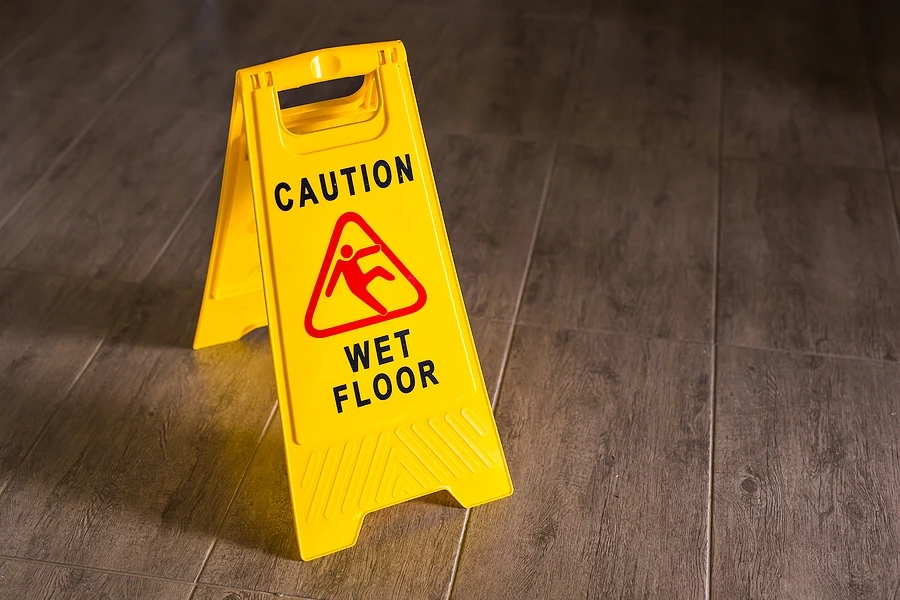
Slip-and-fall and trip-and-fall accidents are common outcomes of poor maintenance. Wet floors, uneven surfaces, worn carpeting, and loose tiles all create opportunities for someone to fall. In outdoor spaces, cracked sidewalks, potholes, and accumulated debris can easily cause injuries. Florida’s climate also contributes to risks. Rainwater tracked into entryways, algae buildup on walkways, and moisture from humidity can all make surfaces unexpectedly slippery.
When a property owner knows—or should reasonably know—about these issues but does nothing to correct them, they may be held legally responsible. The key questions often involve how long the hazard existed and whether the owner took steps to either fix it or warn visitors.
Inadequate Lighting That Increases the Risk of Harm
Poor lighting creates unsafe conditions in parking lots, hallways, stairwells, and shared outdoor spaces. A visitor navigating a poorly lit area cannot easily see tripping hazards, changes in elevation, or potential dangers. In addition to accident risks, inadequate lighting may increase the likelihood of criminal activity. When a property owner fails to provide functional lighting in areas where people commonly walk, spend time, or enter and exit, they may face liability if injuries occur.
Faulty Handrails, Stairs, and Structural Problems
Handrails that wobble, broken steps, and deteriorating structures create serious risks. Even a single faulty step can cause a fall. In multi-level buildings, staircases must meet specific safety standards that include proper height, spacing, and rail support. When owners fail to repair damaged staircases or overlook structural issues, they put visitors in harm’s way.
These conditions may arise from long-term neglect or from postponing needed repairs due to cost or inconvenience. However, once a dangerous situation develops, the owner may be held accountable for injuries that result.
Lack of Routine Inspections and Maintenance
Many hazards escalate because routine inspections do not occur. Businesses, landlords, and other property owners must keep their premises in safe condition through consistent upkeep. Examples include:
- Checking for leaks before mold spreads
- Repairing broken fixtures before they cause harm
- Replacing burned-out lights
- Securing loose walkways or tiles
- Clearing debris from common areas
When a property owner takes the time to inspect their space, most hazards become clear before someone gets hurt. When inspections do not happen, risks go unnoticed and uncorrected.
Weather-Related Problems That Aren’t Properly Managed
Florida’s weather can create unique maintenance challenges. Heavy rain, tropical storms, and intense sun all take a toll on buildings, outdoor walkways, and parking areas. Storm debris, pooling water, and weakened roofing materials create dangerous situations. Property owners must prepare for these conditions by taking proactive measures, including clearing walkways, checking drainage, and repairing storm damage in a timely manner.
Failure to manage weather-related hazards often strengthens a negligence claim. Property owners cannot control the weather, but they are expected to respond reasonably when conditions create risks.
Negligent Security That Opens the Door to Injury
In some cases, injury occurs not from a physical hazard but from a lack of adequate security. Apartment complexes, hotels, shopping centers, and entertainment venues must provide reasonable safety measures based on the nature of their property. Broken locks, unmonitored entrances, and nonfunctioning security cameras can create situations where criminal acts are more likely to occur.
If a property has a history of crime or is located in an area with known risks, the owner must take additional precautions. When they fail to do so, they may be liable for injuries resulting from preventable criminal acts.
Proving Liability When Maintenance Is Neglected
For an injured person to recover compensation, they must show that the property owner was negligent. This requires establishing several key points.
The Owner Had a Duty to Maintain the Property
Florida law requires property owners to exercise reasonable care in keeping their premises safe. The level of care depends on whether the visitor is a customer, tenant, guest, or trespasser, but most lawful visitors receive strong protections.
A Hazard Existed and Was Not Addressed
There must be evidence that an unsafe condition was present. This could include photos, witness testimony, maintenance records, or prior complaints.
The Owner Knew or Should Have Known About the Hazard
Liability depends on whether the owner had actual or constructive knowledge. Actual knowledge means they were fully aware of the danger. Constructive knowledge means the hazard existed long enough or occurred frequently enough that the owner should have discovered it through reasonable care.
The Hazard Caused the Injury
The unsafe condition must be directly linked to the harm suffered. Medical records, incident reports, and photographs help establish this connection.
Preventable Maintenance Failures Are a Common Cause of Injury
Many injuries on Florida properties occur because someone failed to take simple steps to prevent harm. Whether it is a loose railing, a wet floor with no warning sign, or broken lighting in a busy walkway, these issues create avoidable dangers. Visitors should expect a reasonably safe environment, and property owners must meet that expectation by maintaining their premises.
Conclusion
Poor property maintenance creates real risks for visitors across Florida. Failing to repair hazards, ignoring warning signs, or neglecting basic upkeep can expose owners to legal responsibility when injuries occur. If you were hurt because a property was not properly maintained, you may have grounds to pursue a claim for your medical bills, lost income, and other damages. Understanding your rights is the first step. A personal injury lawyer can help you evaluate your options and work toward fair compensation.