

Florida PIP Insurance Explained for Accident Victims
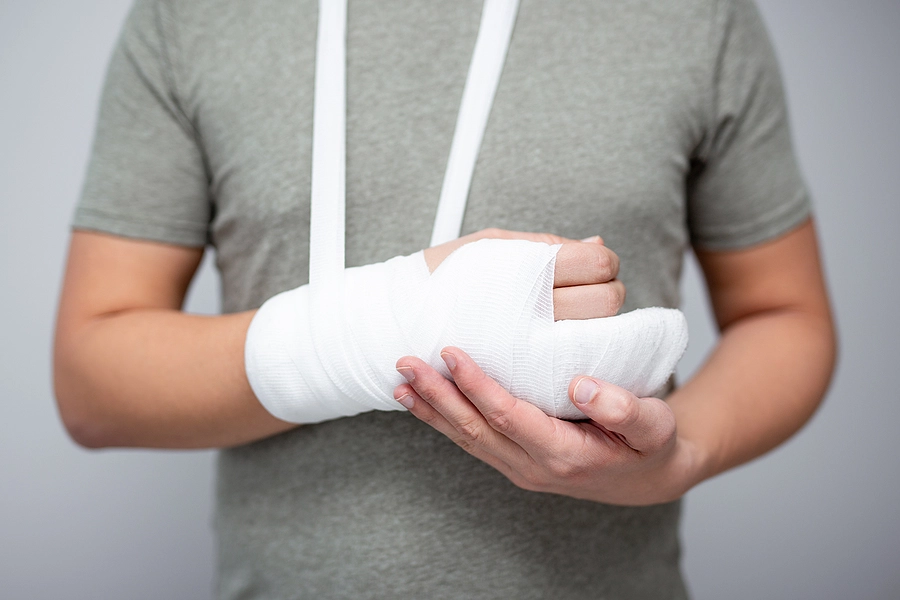
Being in a car accident is stressful. Medical bills pile up, work may be interrupted, and insurance rules can feel confusing. One of the most common questions accident victims have in Florida is about Personal Injury Protection (PIP). PIP is required by law and helps cover medical costs and part of lost income, but it has limits and rules that can catch people off guard. This guide explains Florida PIP coverage in clear terms so crash victims in St. Petersburg can make informed decisions after an accident.
How Florida’s No Fault System Works
Florida is a no fault state, which means each driver’s insurance pays for certain losses regardless of who caused the accident. You do not have to prove another driver was negligent to access your PIP benefits. The system is designed to provide faster medical care and reduce minor injury lawsuits. However, it can create confusion. Many drivers assume the at-fault driver’s insurance will cover them first, but in Florida, your own PIP policy pays initially. Every driver must carry at least $10,000 in PIP coverage, which helps in the short term but may not fully cover severe injuries.
What PIP Covers
PIP covers several types of expenses, but it has strict limits:
Medical Bills
PIP pays up to 80 percent of reasonable medical expenses tied to the accident. This includes hospital visits, emergency care, diagnostics, and physical therapy. Treatment unrelated to the crash is not covered. You must seek medical care within 14 days of the accident to qualify. Even a simple visit to a doctor or urgent care protects your eligibility.
Lost Wages
If your injuries prevent you from working, PIP can cover 60 percent of your lost wages. Documentation from both your employer and medical provider is usually required.
Transportation Costs
Some transportation expenses for medical appointments may be reimbursed, though this is generally a smaller portion of PIP coverage.
Death Benefits
If a crash results in death, PIP provides up to $5,000 for funeral and burial expenses.
Limitations of PIP Coverage
Many accident victims assume PIP will cover all their initial losses, but the coverage has important restrictions:
The $10,000 Cap
Even though PIP is mandatory, the $10,000 minimum can be quickly used up. Major medical bills may reach the limit in a single emergency visit.
Reduced Benefits for Non-Emergency Injuries
Non-emergency injuries may only qualify for $2,500 in benefits. This classification is determined by a licensed medical provider, and many people are surprised by the reduction.
Exclusions for Certain Drivers
PIP may not cover every driver in every situation. Driving without permission or using a personal vehicle for rideshare work without proper coverage can lead to claim denial.
How PIP Works With Liability Claims
PIP does not prevent you from pursuing additional compensation from the at-fault driver. Liability claims can cover medical expenses beyond PIP limits, lost wages exceeding PIP payments, future medical care, pain and suffering, and reduced earning capacity. To pursue these damages, your injuries must meet Florida’s legal threshold, often requiring significant or permanent injury, scarring, or long-term disability. An attorney can help determine whether your injuries meet this threshold.
The Importance of Prompt Medical Treatment
Seeking care immediately after an accident protects both your health and your legal rights. Insurance companies may argue that delayed treatment indicates minor injuries. Prompt documentation also ensures eligibility for PIP benefits, as waiting more than 14 days can result in a denial.
Filing a PIP Claim
Filing a PIP claim is usually simpler than a liability claim, but it still requires careful documentation. You will need medical records and billing statements, proof of lost wages, and accident reports. Insurers may request an independent medical examination (IME) to assess your injuries. The IME can influence your benefits, so legal guidance is often helpful before attending.
When to Hire an Attorney
PIP is often just the first step in recovery. You may need an attorney if PIP benefits run out before treatment is complete, injuries require ongoing care, insurance payments are delayed, there are disputes about your claim, or you receive a negative IME report. An attorney can also help calculate damages like future medical care and lost earning capacity, which PIP does not cover.
Conclusion
Florida PIP insurance provides essential benefits after a car accident, but it has limits and rules that accident victims must understand. Timely medical treatment, proper documentation, and legal guidance are critical for getting the support you need. If you were injured in a crash in St. Petersburg, knowing your PIP rights can help you make informed decisions and protect your future recovery.