

Florida Bicycle Laws Every Cyclist Should Know to Protect Their Rights After an Accident
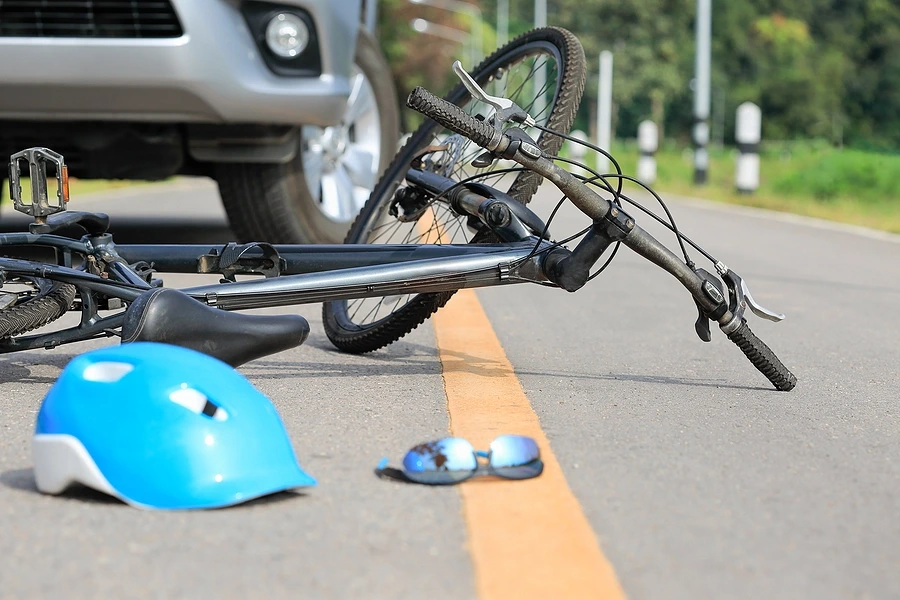
St. Petersburg is one of Florida’s more bicycle-friendly cities, with an expanding network of bike lanes, waterfront routes, and access to the Pinellas Trail. Year-round warm weather means many residents ride for commuting, exercise, and recreation. Sharing the road with motor vehicles, however, carries real risks, and when a crash happens, the rules a cyclist was following at the time can become an important part of the conversation about fault. Florida has specific laws that govern how bicycles must be equipped and operated, as well as laws that require drivers to give cyclists space. Knowing these rules may help riders stay safer and better understand their position after a collision. Cyclists who have been hurt may also find it useful to learn how bicycle accident claims in St. Petersburg are generally evaluated.
How Florida Law Classifies Bicycles
Florida law treats a bicycle as a vehicle. That classification shapes both the rights cyclists have on the road and the responsibilities they are expected to follow.
Rights and Duties on the Roadway
Under Florida law, a person riding a bicycle on a roadway generally has the same rights and is subject to the same duties as the driver of any other vehicle. This means cyclists are expected to obey traffic signals, stop signs, and lane markings, and to ride in the same direction as traffic. It also means drivers must treat cyclists as legitimate road users rather than obstacles. Understanding this shared framework is often the starting point when determining who was responsible for a crash.
Riding on Sidewalks and Crosswalks
Florida law generally allows bicycle riding on sidewalks unless a local ordinance prohibits it. When riding on a sidewalk or in a crosswalk, a cyclist has the same rights and duties as a pedestrian. Riders in these areas must yield to pedestrians and give an audible signal before passing them. Because drivers may not expect a cyclist to enter a crosswalk at riding speed, these situations can lead to disputes about visibility and right-of-way.
Key Rules Cyclists Are Expected to Follow
Several Florida statutes address where cyclists should ride and how their bicycles must be equipped. Following these rules may reduce risk and can also affect how responsibility is viewed if a crash occurs.
Lane Position and Riding Side by Side
Cyclists traveling slower than surrounding traffic generally must use a marked bike lane or ride as close as practicable to the right-hand curb or edge of the road. Florida law recognizes several exceptions, including when passing another vehicle, preparing for a left turn, avoiding hazards such as debris or parked cars, or when a lane is too narrow for a bicycle and a car to travel safely side by side. Cyclists may ride two abreast when doing so does not impede the normal and reasonable movement of traffic.
Lighting and Equipment Requirements
Between sunset and sunrise, a bicycle must have a lamp on the front that emits a white light visible from at least 500 feet. It must also have a red lamp and a red reflector on the rear, each visible from at least 600 feet. Florida law also requires bicycles to have brakes capable of stopping within 25 feet from a speed of 10 miles per hour on dry, level, clean pavement. Missing lights or faulty equipment may become part of a fault analysis after a nighttime crash.
Helmet Rules for Younger Riders
Florida requires bicycle riders and passengers under 16 years of age to wear a properly fitted and fastened helmet that meets applicable safety standards. Adults are not required by state law to wear a helmet. Even so, helmet use is strongly encouraged for riders of all ages, and questions about whether a helmet was worn sometimes come up when evaluating the nature of head injuries.
Legal Duties Drivers Owe to Cyclists
Florida law places specific obligations on motorists to protect people riding bicycles. Many bicycle crashes involve a driver’s failure to meet one of these duties.
Safe Passing Distance
Drivers overtaking a bicycle must pass at a safe distance of not less than three feet. Passing too closely can startle a rider, force them off the road, or cause a sideswipe collision. Because close passes happen quickly and often leave little physical evidence, witness statements and video footage can be especially important in these cases.
Turning Vehicles and Opening Doors
A common type of crash occurs when a driver turns right across the path of a cyclist traveling straight in a bike lane. Drivers generally must yield to cyclists who have the right-of-way before completing a turn. Florida law also prohibits opening a vehicle door on the side of moving traffic unless it is reasonably safe to do so, which addresses the risk of dooring crashes on streets with parallel parking.
How Bicycle Laws Can Affect an Injury Claim
After a crash, both the cyclist’s conduct and the driver’s conduct may be examined closely. The specific laws that applied at the moment of impact can influence how fault is assigned and what compensation may be available.
When the Cyclist’s Actions Are Questioned
Insurers sometimes argue that a cyclist contributed to a crash by riding without lights, riding against traffic, or failing to stop at a signal. Under Florida’s comparative fault rules, a cyclist’s share of responsibility may reduce the compensation they can recover, and a finding of more than 50 percent fault can bar recovery in most negligence cases. A technical violation does not automatically mean the cyclist caused the crash, however, and the full circumstances usually matter.
Insurance Coverage for Injured Cyclists
Many cyclists are surprised to learn that motor vehicle insurance may help cover their injuries. Depending on the circumstances, Florida’s personal injury protection coverage connected to the cyclist’s own household vehicle, or in some cases the vehicle involved in the crash, may apply to certain medical expenses and lost income. Claims against the at-fault driver’s bodily injury liability coverage or the cyclist’s own uninsured motorist coverage may also be possible, depending on the policies involved.
Staying Informed and Protected on Two Wheels
Florida’s bicycle laws are designed to protect everyone on the road, and understanding them can help cyclists ride with more confidence and respond more effectively after a crash. We recognize that recovering from a bicycle collision can be physically and financially difficult, particularly when fault is disputed. Our team of St. Petersburg bicycle accident lawyers at Emerson Straw is here to help injured riders understand how these laws may apply to their situation. If you were hurt while riding, we encourage you to reach out to us to discuss what happened and explore the legal options that may be available to you.