

How Florida’s Rainy Season and Wet Road Conditions Affect Car Accident Liability
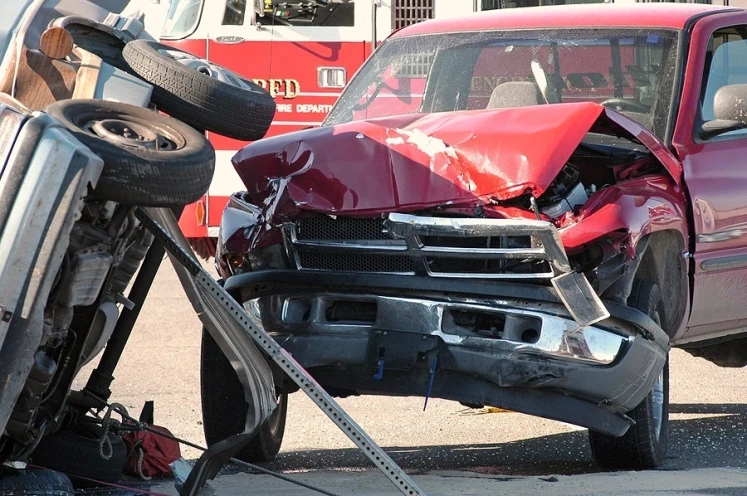
From late spring through early fall, afternoon thunderstorms are a familiar part of life in the Tampa Bay area. Heavy downpours can arrive quickly, reduce visibility within minutes, and leave standing water on busy roads throughout St. Petersburg. These conditions contribute to many crashes each year, and they often raise difficult questions about who is responsible when a collision happens. Some drivers assume that bad weather makes a crash no one’s fault, but Florida law generally expects motorists to adjust their driving to the conditions around them. Understanding how weather factors into fault can help injured people make sense of their situation. For those involved in a wet-weather collision, reviewing how car accident claims in St. Petersburg are handled may offer useful context as they consider their options.
Why Florida’s Rainy Season Creates Unique Driving Hazards
Florida’s rainy season generally runs from late May through mid-October, and during these months, storms can develop with little warning. The combination of heavy rainfall, heat, and high traffic volume creates hazards that differ from what drivers may experience in other parts of the country.
Slick Pavement and the First Minutes of Rain
Roads can become especially slippery when rain first begins to fall. Oil, rubber residue, and other debris that build up on pavement during dry periods may rise to the surface and mix with water, reducing tire traction. This effect can be more noticeable after long stretches without rain. Drivers who do not slow down during the early part of a storm may find that their vehicles take much longer to stop than expected.
Hydroplaning and Standing Water
Hydroplaning occurs when a layer of water builds between the tires and the road surface, causing the driver to lose steering and braking control. The risk generally increases with higher speeds, worn tire tread, and deeper water. In low-lying areas, heavy rain can overwhelm drainage and leave pooled water across travel lanes. A vehicle that hydroplanes can drift into another lane, leave the roadway, or strike another vehicle before the driver regains control.
How Florida Law Views Driver Responsibility in Wet Conditions
Weather may explain why a crash occurred, but it does not automatically excuse the drivers involved. Florida’s traffic laws place specific expectations on motorists when conditions become hazardous, and those expectations often become central to a liability dispute.
The Duty to Drive at a Reasonable Speed
Florida law requires drivers to operate at a speed that is reasonable and prudent for existing conditions, and to reduce speed when special hazards exist, including those related to weather. This means a driver can potentially be considered negligent even while traveling at or below the posted speed limit if that speed was unsafe for a heavy downpour. Florida also requires drivers to use their headlights during rain, smoke, or fog, which helps other motorists see them when visibility drops.
Following Distance and Rear-End Collisions
Wet pavement increases stopping distances, so a following distance that feels comfortable on a dry day may not be enough in the rain. Florida courts have long applied a presumption that the rear driver in a rear-end collision was negligent, although that presumption can be challenged with evidence such as a sudden, unexpected stop by the lead vehicle. In rainy conditions, the question often becomes whether the rear driver allowed enough space given the reduced traction and visibility.
When Weather Is Raised as a Defense
A driver or insurer may argue that a sudden storm made the crash unavoidable. Florida recognizes a sudden emergency doctrine in limited situations, but it generally does not apply when the danger was foreseeable or when the driver’s own conduct contributed to the emergency. Because afternoon storms are common during Florida summers, arguments that rain was completely unexpected may carry limited weight depending on the facts.
Other Parties Who May Share Liability
Not every wet-weather crash comes down solely to driver behavior. In some cases, the condition of the vehicle or the road itself may have played a role, which can bring additional parties into the picture.
Vehicle Maintenance and Defective Parts
Bald tires, worn windshield wipers, and faulty brakes can make rainy conditions far more dangerous. A driver who fails to maintain their vehicle may bear greater responsibility for a crash that occurs in the rain. If a defective tire, brake component, or other part contributed to the loss of control, a product liability claim against the party responsible for that defect may also be worth exploring.
Road Design and Drainage Problems
Poor drainage, inadequate road maintenance, or design flaws that cause water to collect in travel lanes may contribute to hydroplaning crashes. When a government entity is responsible for a roadway, Florida’s sovereign immunity laws apply. These laws allow certain claims against public agencies but impose strict written notice requirements and statutory caps on how much can be recovered, so these claims often follow a different path than a claim against a private driver.
Building a Clear Picture of What Happened
Because weather conditions can change quickly, evidence from a rainy-day crash may be harder to preserve than in other cases. Gathering the right information early can help clarify how the collision unfolded.
Documenting Conditions at the Scene
Photos and videos showing standing water, road surfaces, traffic signals, and vehicle positions can be valuable, especially since puddles and skid patterns may disappear once the rain stops. Dashboard camera footage and nearby surveillance video may capture how fast vehicles were moving and whether headlights were on. Historical weather records can also help confirm rainfall intensity at the time of the crash.
How Shared Fault May Affect a Claim
In many wet-weather crashes, more than one driver may have contributed to the collision. Under Florida’s modified comparative negligence system, an injured person’s compensation may be reduced by their own share of fault, and someone found more than 50 percent responsible generally cannot recover damages. This makes careful evaluation of each driver’s actions especially important.
Moving Forward After a Rainy-Day Crash
Rainy season conditions can make St. Petersburg roads unpredictable, but the question of fault still depends on how each driver responded to those conditions. We know that sorting out liability after a wet-weather collision can feel confusing, especially when the other side points to the storm. As St. Petersburg car accident attorneys, our team at Emerson Straw works to help injured people understand how Florida law may apply to the specific facts of their crash. If you were hurt in a collision on a wet or flooded road, we invite you to contact us to talk through what happened and learn more about the options that may be available to you.