

Proving Liability in Florida Rear-End Crash Claims
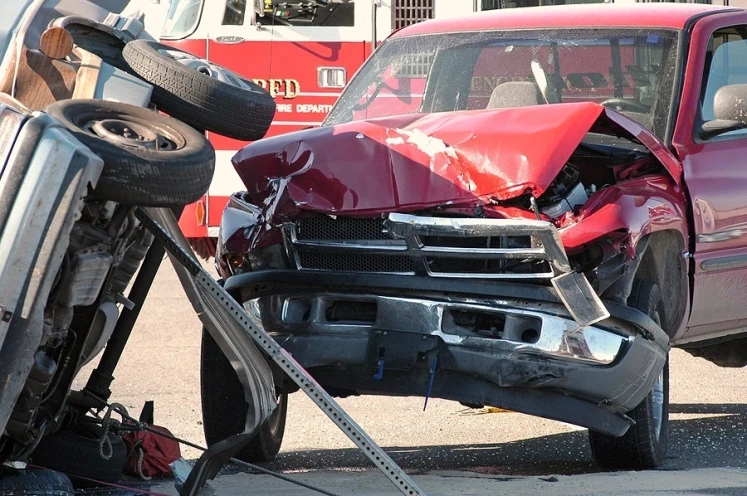
Rear-end crashes happen frequently on St Petersburg roads. Many leave victims dealing with painful injuries, vehicle damage, and unexpected expenses. At first glance, it may seem obvious who caused the crash—the driver in the rear. In reality, determining liability can be more complex. Florida law, insurance policies, and evidence requirements all play a role in proving fault.
How Florida Treats Rear-End Collisions
Florida uses a modified comparative negligence system, which means that each driver’s percentage of fault is considered. If your share of fault reaches 51 percent or more, you cannot recover damages.
In rear-end collisions, the law presumes that the trailing driver is at fault, because every driver has a duty to maintain a safe following distance. While this presumption gives victims a starting point, it is not absolute. The driver in the rear can challenge it, and courts consider exceptions depending on the circumstances.
Situations That Can Affect Fault
Rear-end accidents are not always clear-cut. Certain situations can complicate liability:
- Sudden stops by the front driver: If the front driver brakes without reason, the rear driver may argue the stop was negligent.
- Malfunctioning brake lights: If the rear driver had no warning due to faulty lights, responsibility may shift.
- Lane-cutting or improper merges: A front driver moving unexpectedly into a lane can contribute to the crash.
Even if these factors exist, they do not automatically shift blame. Investigating the facts through witnesses, photos, and reports is necessary.
How Florida’s No-Fault System Impacts Claims
Florida is a no-fault insurance state, meaning your Personal Injury Protection (PIP) coverage is used first, regardless of who caused the accident. PIP covers medical bills and lost income but does not account for pain and suffering or long-term damages.
If your injuries are serious, you may pursue a claim against the at-fault driver. Proving liability becomes critical at this stage. Insurance companies may challenge your claim, dispute the cause of the crash, or argue that you share fault. Strong evidence is essential to support your case.
Evidence That Helps Prove Liability
Insurance companies rarely accept fault claims without supporting evidence. Collecting documentation can strengthen your case significantly. Key types of evidence include:
- Police report: Documents observations, violations, and witness statements.
- Photographs and video: Show damage, skid marks, road conditions, and injuries.
- Witness statements: Neutral accounts can clarify the sequence of events.
- Vehicle damage analysis: Helps determine speed and point of impact.
- Black box data: Many vehicles record speed, braking, and steering at the time of a crash.
- Medical records: Link injuries directly to the collision and document severity.
Gathering this evidence quickly is important, as it may disappear or degrade over time.
How Comparative Fault Influences Compensation
Under Florida’s modified comparative negligence system, both drivers’ actions are assessed. For instance, if the rear driver was distracted or following too closely, they likely bear most or all of the responsibility. If the front driver’s brake lights were not working, they may share partial fault.
Example: If you are found 20 percent at fault and your total damages are $100,000, your compensation would be reduced to $80,000. Small details in evidence can significantly affect the outcome.
Common Injuries From Rear-End Crashes
Injuries in rear-end collisions can range from mild to severe and may not be immediately apparent. Common injuries include:
- Whiplash, caused by the sudden snapping motion of the neck
- Herniated discs and back injuries
- Concussions or head trauma
- Shoulder injuries and soft tissue damage
Some injuries worsen over time, which makes timely medical attention critical. It not only protects your health but also strengthens your claim.
Why Acting Quickly Protects Your Claim
Taking prompt action after a crash is important:
- Skid marks fade, and video footage may be lost
- Witness memories become less reliable over time
- Medical records establish a clear timeline of injuries
Florida law generally allows two years from the date of the accident to file a personal injury lawsuit. Waiting too long can weaken your case.
The Role of a Lawyer in Rear-End Crash Cases
Rear-end claims may appear straightforward, but insurance companies often dispute fault or downplay injuries. A personal injury lawyer can:
- Investigate the crash thoroughly
- Collect and preserve evidence
- Challenge unfair insurance tactics
- Ensure you receive compensation for medical bills, lost income, property repairs, and long-term injuries
A lawyer’s experience can make a meaningful difference in both negotiation and litigation.
Conclusion
Proving liability in a Florida rear-end collision is not always as simple as it seems. Even with a presumption of fault against the rear driver, disputes can arise. Evidence, documentation, and a clear understanding of Florida law are critical.
If you were involved in a rear-end crash in St Petersburg, taking the right steps early can protect your claim and give you peace of mind while you focus on recovery. With careful attention and professional guidance, you can pursue fair compensation and avoid common pitfalls.